Sustainability Management
Participation in Initiatives
United Nations Global Compact

Mitsui & Co. signed and pledged its support for the UN Global Compact in October 2004. As a signatory of UN Global Compact, Mitsui complies with the Global Compact as part of its own corporate guidelines, and pursues SDGs on a global group basis.
We participate in working groups of Global Compact Network Japan, such as the Human Rights Due Diligence (HRDD) Working Group.
Support for the UN Global Compact
In October 2004 Mitsui & Co. signed and pledged its support for the UN Global Compact. Mitsui has been participating in this initiative as a signatory of the UN Global Compact and is complying with the principles as part of its own corporate guidelines. Currently Mitsui conducts a companywide survey every other year in order to check compliance with the UN Global Compact principles and is working to comply with and practice the principles on a global group basis.
As well as engaging in activities geared toward observing “Ten Principles of the UN Global Compact”, we will advance various initiatives that contribute to realizing the UN Sustainable Development Goals (SDGs) through our business activities.
Kenichi Hori
Representative Director
President and Chief Executive Officer
Sustainable Development Goals (SDGs)
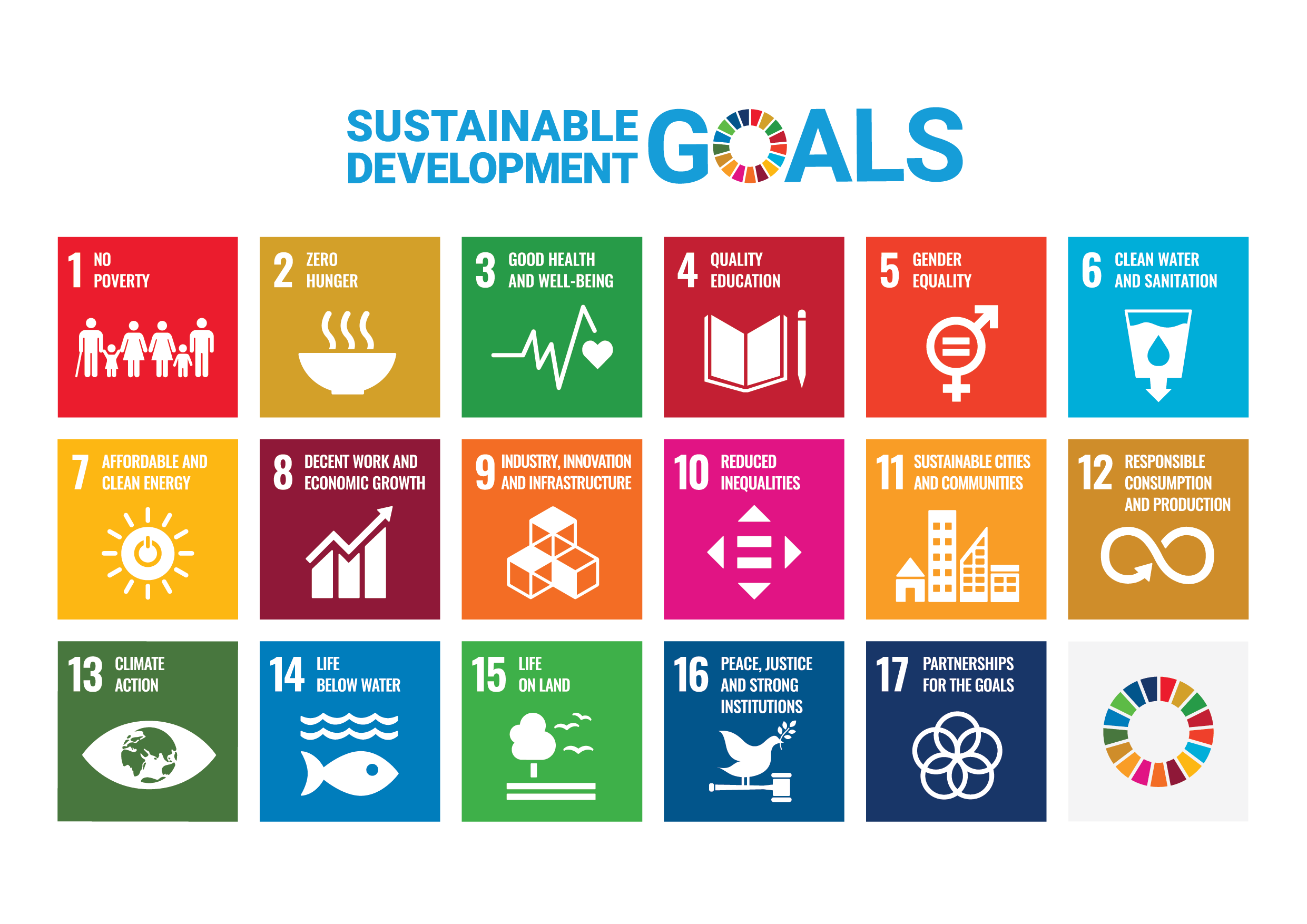
The United Nations' Sustainable Development Goals (SDGs) define global sustainable development priorities and aspirations for 2030, with 17 goals and 169 targets. The SDGs call for action to end poverty and create a life of dignity and equality of opportunity for all, with consideration given to balancing sustainable growth and the limits of the Earth.
As a global investment and trading company, Mitsui & Co. group conducts a diverse range of business across nations and regions. We believe that this allows us to make a wide-ranging contribution to the achievement of all the 17, goals set out under the SDGs. With the recognition that it is increasingly important to work together with our business partners, customers, local communities, NPOs and NGOs, and other stakeholders in order to find solutions to the various issues facing society and industry, we are promoting initiatives based on Goal 17, "Partnerships for the Goals".
To continue promoting our business with a focus on contribution to the achievement of the SDGs, we are working to further raise awareness of the SDGs and are aligning our business and initiatives with Mitsui's Materiality and the SDGs.
World Economic Forum
The World Economic Forum is an independent international organization that engages leaders from the worlds of business, politics, academia, and other sectors of society to shape global, regional, and industry agendas in the spirit of global citizenship, through cooperation between the public and private sectors, for the improvement of the world situation.
As a partner company, Mitsui attends the annual meeting of the World Economic Forum, as well as the regional meetings.
List of Major Participating Initiatives
As a responsible global company, we are advancing and expanding our response to ESG by participating in initiatives based on international frameworks and wide-ranging partnerships through industry organizations in Japan. Our decision to participate in each initiative is made once we have confirmed that it is compatible with our basic policy and initiatives concerning ESG, and we will disclose information appropriately to our stakeholders.
Please scroll horizontally to look at table below.
| Initiatives | Overview | Basic policy and initiatives |
|---|---|---|
| TCFD (Task Force on Climate-related Financial Disclosures) | In December 2018, Mitsui declared its support for the TCFD (Task Force on Climate-related Financial Disclosures) recommendations, which aim to facilitate companies to recognize financial impacts arising from the risks and opportunities associated with climate change and to disclose such climate-related information. |
Climate Change |
| TNFD (Taskforce on Nature-related Financial Disclosures) | The Taskforce on Nature-related Financial Disclosures (TNFD) was launched in June 2021 by the United Nations (UNEPFI/ UNDP) and other international NGOs. It calls for companies to disclose both their impact and dependence on nature in accordance with a framework similar to that of the TCFD. Many companies, public institutions, and financial institutions, mainly in Europe and the U.S., have expressed their support for the TNFD and are working to establish international standards for the disclosure of information on natural capital. In March 2025, Mitsui declared its support for the TNFD, and registered as a "TNFD Adopter". In accordance with the recommendations of the TNFD and as a responsible company operating globally, we actively promote information disclosure with an awareness of stakeholder expectations. |
Natural Capital |
| TNFD Forum | The TNFD Forum is positioned as a group of stakeholders who support the TNFD discussions. As a member company of the TNFD Forum, we contribute to the conservation of biodiversity through participation in discussions on the establishment of the TNFD framework. |
Natural Capital |
| CDP (Climate Change) | Since 2011, we have been responding to the CDP Climate Change questionnaires, a global disclosure program for corporate information on climate change-related risks. Based on our response to the questionnaire carried out in 2025, we received the score "A" and have been selected in the "A List". |
Climate Change |
| CDP (Forests) | Since 2016, we have been responding to the CDP Forests questionnaire, a global disclosure program for corporate information related to forest-related risks. Based on our response to the questionnaire carried out in 2025, we received the score "A-". |
Natural Capital |
| CDP (Water Security) | Since 2015, we have been responding to the CDP Water Security questionnaires, a global disclosure program for corporate information on water-related risks. Based on our response to the questionnaire carried out in 2025, we received the score "A" and have been selected in the "A List". |
Natural Capital |
| Maersk Mc-Kinney Moller Center for Zero Carbon Shipping | Reducing emissions is a global issue for the shipping industry. In April 2021, Mitsui became a Strategic Partner of the Maersk Mc-Kinney Moller Center for Zero Carbon Shipping (MMMCZCS), a not-for-profit international research and development center dedicated to the decarbonization of the shipping industry. we have been working with other partners to solve technical and commercial issues in the use of low-carbon fuels for marine use. |
Climate Change |
| International Iron Metallics Association | The International Iron Metallics Association is a worldwide organization with a focus on ore-based metallics (pig iron, hot briquetted iron, direct reduced iron, granulated pig iron). Its members, including Mitsui, account for more than 80% of production and international trade in ore-based metallics. We have been distributing and investing in ferrous raw materials, including ore-based metallics, for a long time and amid a growing focus on these materials in relation to the low-carbonization of the iron and steel industry, we will continue contributing to industry low-carbonization through our business development in this area. |
Climate Change |
| ASI (Aluminium Stewardship Initiative) | ASI was established in 2012 with a vision of maximizing the contribution of aluminum to a sustainable society. As of May 2025, approximately 390 companies and groups have joined ASI, including a variety of stakeholders such as aluminum producers and users and the International Aluminium Institute. Its purpose is to increase sustainability in the aluminum supply chain and contribute to ESG engagement by formulating international standards and establishing certification systems. Mitsui joined in January 2020 and supports these initiatives as a member. |
Climate Change Supply Chain Management |
| Battery Association for Supply Chain (BASC) | The Battery Association for Supply Chain (BASC) is an organization that promotes the enhancement of the international competitiveness of supply chains related to battery raw materials and components, with the aim of realizing a decarbonized society. BASC was established in April 2021, and Mitsui has been a member since its establishment. Together with other member companies, we are addressing issues such as the international standardization of lithium, and rule-making for the establishment of a battery ecosystem. |
Climate Change |
| Japan Business Federation (Keidanren) | Mitsui is a member of various Keidanren committees, including the following: ・Committee on Responsible Business Conduct & SDGs Promotion, which works to make the Charter of Corporate Behavior well known, disseminate and promote "Society 5.0 for SDGs", and promote corporate social contribution activities ・Committee on Energy and Resources, which promotes energy policies that provide a balance of S+3E (Safety + Energy Security, Economic Efficiency, and Environment) ・Committee on Overseas Development Cooperation, which aims to coordinate with national governments and international institutions for the purpose of developing infrastructure overseas, in particular, in emerging countries ・Committee on Environment, which works to respond to climate change, promote circular economy and mainstreaming of biodiversity, and improve environmental regulations and systems |
Climate Change Natural Capital Human Rights Diversity & Inclusion |
| Japan Foreign Trade Council, Inc. | As a member of the Global Environment Committee of the Japan Foreign Trade Council, Inc., Mitsui is actively involved in activities in the field of climate change. In particular, we monitor energy use for all trading companies and promote reduce/reuse/recycle (3Rs) activities. We also gather information about new energy technology through our business activities, and contribute to the formulation of the Long-term Vision for Climate Change Measures. Mitsui also engages in activities as a member of the Japan Foreign Trade Council's Sustainability Promotion Committee, which studies Sustainability/CSR-related issues and conducts surveys and research about trends in Japan and overseas. |
Climate Change |
| GX Future Consortium / GX Future League | Mitsui is a member of the GX Future Consortium and the GX Future League, both launched in April 2026 under the leadership of the Ministry of Economy, Trade and Industry (METI) and the GX Acceleration Agency. These frameworks aim to drive GX-related demand creation and rulemaking through a wide range of public-private initiatives, regardless of industry, business type, or scale of emissions. Mitsui endorses these objectives and actively participates in the various initiatives undertaken within the frameworks. |
Climate Change |
| Japan Hydrogen Association | The Japan Hydrogen Association was established in December 2020 with the aim of building and expanding the hydrogen value chain by fostering global alliances and developing a hydrogen supply chain. The organization became a general incorporated association in April 2022, and Mitsui, which has participated in this initiative since the establishment of the preparatory committee and as a Board member, will continue working with other member companies toward the social implementation of the hydrogen value chain. |
Climate Change |
| Carbon Recycling Fund Institute | Carbon recycling policies that see CO2 as a resource to be used and promote innovation in this field are coming to play an important role in Japan's energy policies. The Carbon Recycling Fund Institute was established in August 2019 to promote the creation of carbon recycling innovation with the aim of both addressing the global warming issue and improving energy access throughout the world. Mitsui has been a member since January 2020. We aim to pursue business opportunities and contribute to solving climate change issues by providing access to the latest information regarding CCUS (Carbon Capture, Utilization and Storage), which is important for decarbonization, and by strengthening relationships with other member companies. |
Climate Change |
| The Institute of Applied Energy, Society of Anthropogenic Carbon Cycle Technology | Carbon capture and storage technology can process huge volumes of CO2 and is considered to be an effective way to reduce CO2 emissions. However, in recent years, there has been growing demand for the building of carbon capture and utilization technologies and systems that can also process large volumes of CO2. The Society of Anthropogenic Carbon Cycle Technology was established by the Institute of Applied Energy in October 2018 with the goal of investigating and researching viable technologies for utilizing CO2 and sharing relevant information in order to contribute to the earlier realization of these technologies and their social application. Mitsui has been a member since July 2020. |
Climate Change |
| Clean Fuel Ammonia Association | The Clean Fuel Ammonia Association is an industrial-academic-governmental platform for the development and evaluation of technology, economic evaluation, policy proposal, and international collaboration. It aims to find social applications for energy technologies that use ammonia and to build value chains spanning from the supply to usage of CO2-free ammonia. Mitsui has participated as a member of the Board of Directors since April 2019. |
Climate Change |
| Decarbonized Industrial Thermo-System Center: DITS | Established in May 2023 with the aim of jointly developing technologies for utilizing decarbonized fuels such as Ammnonia in industrial furnaces, this is a Ministry of Economy, Trade and Industry (METI)-approved corporation. It comprises approximately 20 companies, including industrial furnace manufacturers and users, as well as 12 universities and national research and development institutions.Through participation in the "Green Innovation Fund Project / Decarbonization of Thermal Processes in the Manufacturing Sector" project solicited by the National Institute of Advanced Industrial Science and Technology (NEDO), the organization is conducting research and development, as well as demonstration of decarbonization-related technologies in the industrial furnace sector. |
Climate Change |
| Methanol Institute (MI) | Methanol Institute serves as the global trade association for the methanol industry representing the world's leading methanol producers, distributors and technology companies. As the voice of the methanol industry, it works to protect existing markets and promote the expansion of emerging energy markets. Its activities are managed through committees focused on chemicals, fuels, and policy. Mitsui serves as a board member and a committee chair, among other roles. |
Climate Change |
| The Oil and Gas Decarbonization Charter (OGDC) | Mitsui became a signatory to the OGDC (Oil and Gas Decarbonization Charter) at the COP28 in 2023, which is an initiative focusing on methane emissions reductions from upstream oil and gas operations. More than 50 companies, including national oil companies and international oil companies, have joined the Charter, which aims to achieve near-zero methane emissions and zero routine flaring by 2030 and net-zero Scope 1 and 2 emissions by 2050. |
Climate Change |
| CLOMA (Japan Clean Ocean Material Alliance) | CLOMA was established in January 2019, primarily by brand owners, under the direction of the Ministry of Economy, Trade and Industry (METI), its supervising ministry. Its aim is to address the social issues surrounding plastic waste not only in Japan but also in countries around the world through a public-private partnership. In December 2024, CLOMA revised its guidelines significantly, expanding its scope of activities. Currently, CLOMA focuses on promoting and contributing to the widespread adoption of plastic resource recycling both domestically and internationally. As the largest plastic recycling association in Japan, CLOMA is comprised of approximately 500 companies and organizations from the public, private, and academic sectors, working under the direction and support of METI to acquire and secure recycled plastic materials as secondary resources and to promote the widespread adoption of a circular economy. This is done in cooperation with central government ministries such as the Ministry of the Environment and the Ministry of Agriculture, Forestry and Fisheries, as well as local governments.We have been actively involved in CLOMA activities since its inception, receiving a direct request from the Ministry of Economy, Trade and Industry to serve as the chair company of the Indonesia Cooperation Working Group, which was established from the outset of CLOMA's establishment. We continue to serve as the chair company in the Indonesia Cooperation Working Group. Furthermore, in anticipation of the amendment to the Resource Recycling Promotion Act that came into effect on April 1, 2026, and with the aim of strengthening the supply chain for recycled plastic materials and resources, and building an international resource recycling network, we established the "Recycled Material Procurement Task Force" on October, 2025, based on instructions and requests from the Ministry of Economy, Trade and Industry. With the Circular Economy Business Development Team Leader as the chair, we are actively participating in discussions on circular economy initiatives, working with the Ministry of Economy, Trade and Industry on legal amendments, policy formulation, and rulemaking. |
Circular Economy Natural Capital |
| Circular Partners | "Circular Partners (CPs)" is a co-creation platform led by the Ministry of Economy, Trade and Industry (METI) for implementing the circular economy through collaboration between industry, government, and academia. It comprises over 800 members from various industries, including chemicals, steel, construction, and consumer electronics. It implements international collaboration and standardization, including the development of a vision roadmap for the circular economy, the construction of a data and information distribution infrastructure, the formation of regional circular models, a traceability system for recycled materials, and international certification. The Circular Economy Business Development Team Leader also serves on the Container and Packaging Plastics Working Group, working with METI on the practical aspects of the partnership's activities. We joined the initiative in June 2024. |
Circular Economy Natural Capital |
| 30by30 Alliance | 30by30 is an international target related to natural capital that aims to conserve or protect 30% of the world's land and sea areas by 2030, and is positioned as one of the key measures in the Kunming-Montreal Global Biodiversity Framework adopted in December 2022. The 30by30 Alliance is an initiative by private companies, local governments, and organizations, with the Ministry of the Environment serving as the secretariat and the Keidanren Committee on Nature Conservation and other organizations as the proposers (organizers). Mitsui joined the 30by30 Alliance in March 2022, and will continue to contribute to biodiversity conservation through participation in discussions on system design and other matters. Five forests of the "Mitsui's Forests"—company-owned forests nationwide by Mitsui & Co., Ltd. have been certified as "Nationally Certified Sustainably Managed Natural Site." (3rd batch of Fiscal Year 2025) under the Act on the Promoting Activities to Enhance Regional Biodiversity. In this certification, the five forests have been recognized as initiatives that meet all nine value criteria for Nationally Certified Sustainably Managed Natural Site., which encompass biodiversity, ecosystem services, rare species, cultural value, and Continuity/connectivity. Through such tangible initiatives, we will continue to contribute to the 30by30 initiative. |
Natural Capital |
| RSPO (Roundtable on Sustainable Palm Oil) | The Roundtable on Sustainable Palm Oil (RSPO) is a non-profit organization established to promote the sustainable production and utilization of palm oil through the conservation of tropical rain forests and biodiversity. Palm oil production has been linked to the destruction of tropical forests through the development of oil palm plantations, as well as human rights issues. As a business that handles palm oil, Mitsui agrees with the RSPO's philosophy of contributing to sustainability through industry. Since joining the organization as an ordinary member in 2008, we have been collaborating on business-based sustainable procurement initiatives that take into account the conservation of tropical forests and biodiversity, respect for the rights of indigenous and local peoples, and other considerations. |
Natural Capital Human Rights Supply Chain Management |
| FSC®(Forest Stewardship Council®) | The Forest Stewardship Council® (FSC®) is an international non-profit organization that promotes management of the world's forests in a way that is environmentally appropriate, economically viable, and socially beneficial, including with regard to respect for human rights. Mitsui has obtained FSC® forest management (FM) certification (FSC®-C057355) while Mitsui Bussan Forest, a Mitsui subsidiary, has obtained Chain of Custody (CoC) certification for the processing and distribution of cut lumber (FSC®-C031328). As one of the top private-sector suppliers in terms of volume of FSC®-certified Japanese-grown lumber, Mitsui helped to promote FSC® in Japan and to discuss and draft the Japanese version of principles, standards, and risk assessments. Mitsui has obtained FSC® certification for its forest resources business as well, and promotes responsible management of forest resources. |
Climate Change Natural Capital Human Rights Responsibilities to Customers Supply Chain Management |
| SGEC/PEFC | The SGEC certification was formulated in 2003 based on the globally promoted concept of sustainable forest management (Montreal Process), tailored to the natural and social conditions of Japan's forests. It is a standard covering the environmental, social, and economic fields of sustainable forest management in Japan. PEFC, Programme for the Endorsement of Forest Certification Schemes is a leading global alliance of national forest certification systems, headquartered in Geneva, Switzerland. It is promoted by an independent non-profit NGO that aims to promote sustainable forest management through independent third-party certification. The SGEC standard was approved by PEFC in 2016. Since 2006, Mitsui & Co. has obtained SGEC FM certification*1 and its subsidiary Mitsui Bussan Forest has obtained CoC certification.*2 Mitsui and its subsidiaries have obtained PEFC CoC certification for woodchip sales. *1 Certification related to Forest Management (FM). *2 Certification related to the Chain of Custody (CoC) in the processing and distribution process. The SGEC trademark license code of Mitsui & Co.:SGEC/31-21-1101 The PEFC trademark license code of Mitsui & Co.:PEFC/31-21-1101 The SGEC trademark license code of Mitsui Bussan Forest:SGEC/31-32-1106 The PEFC trademark license code of Mitsui Bussan Forest:PEFC/31-32-1106 |
Climate Change Natural Capital Human Rights Responsibilities to Customers Supply Chain Management |
| SBP (Sustainable Biomass Program) | SBP is a certification scheme designed for biomass, including wood pellets and chips, and other processed wood-based products. It provides assurance that biomass is sourced both legally and sustainably, ensuring responsible sourcing and compliance across the whole supply chain.Mitsui & Co., Ltd. has obtained SBP certification for wood pellet trading. |
Climate Change Natural Capital Human Rights Responsibilities to Customers Supply Chain Management |
| GGL (Green Gold Label) | GGL was established in 2002 and is owned by the Green Gold Label Foundation. It is an international certification programme for sustainable biomass, covering the complete supply chain from production, processing, and transport to the end-user. Mitsui & Co., Ltd. Integrated Energy Solutions Business Unit, Energy Trading & Marketing Div., Fuel Solution (Biomass) Dept. has obtained GGL certification for wood pellet and PKS trading. |
Climate Change Natural Capital Human Rights Responsibilities to Customers Supply Chain Management |
| Keidanren Committee on Nature Conservation | The Keidanren Committee on Nature Conservation was established in 1992, under the Keidanren Global Environment Charter, which promotes exchanges between corporations and NGOs, and raises awareness among corporations of nature conservation and biodiversity. Mitsui has been a member since its establishment, and we support the Keidanren's Declaration of Biodiversity and its accompanying Action Policy. We have participated in the Keidanren Initiative for Biodiversity Conservation and the Business for GBF Project in collaboration with the Ministry of the Environment, and will further promote initiatives for biodiversity and nature conservation under the Kunming-Montreal Global Biodiversity Framework adopted at the 15th meeting of the Conference of the Parties to the Convention on Biological Diversity (CBD COP 15). |
Natural Capital |
| Together for Sustainability (TfS) | Together for Sustainability (TfS) is a non-profit organization established mainly by major European chemical companies and engaged in sustainability-related activities. Since its establishment in 2011, TfS has carried out sustainability assessments and audits across entire chemical supply chains, from raw materials procurement to logistics. Mitsui & Co., Ltd. joined Together for Sustainability as the first Japanese company to join TfS. Mitsui will accelerate its sustainability-related initiatives in European markets, which are leading the world in this area. Mitsui will also use knowledge gained in said markets to improve sustainability across entire supply chains in global markets, especially in Asia and Japan. Mitsui & Co., Ltd actively contribute TfS’s activity in Europe and Japan. Especially in Japan Mitsui & Co., Ltd leads Japan regional committee as co-Chair with Evonik Japan. |
Supply Chain Management |
| EcoVadis | EcoVadis is a ratings provider that has developed its own platform for evaluating the performance of companies in terms of environmental and social sustainability. Certain Mitsui group companies are registered on the EcoVadis platform and are evaluated on their performance regarding sustainability. |
Supply Chain Management |
| Sedex (Supplier Ethical Data Exchange) | Sedex is an NPO established in 2001 primarily by British retailers and auditing companies and it has become the top global ethical services provider. It provides registered companies with the world's largest information platform for managing and sharing data concerning ethical supply chains and it also offers globally recognized evaluations of responsible supply chain activities, known as SMETA audits, which audit aspects such as labor rights, occupational health and safety, environmental performance, and business ethics. Certain Mitsui group companies use the services provided by Sedex. |
Supply Chain Management |
| Japan Processed Foods Wholesalers Association | The Japan Processed Foods Wholesalers Association is an organization that conducts research on the modernization and streamlining of processed food distribution, promotes structural improvements in the processed food wholesale industry, and raises public awareness and understanding of processed foods, all with the aim of ensuring a stable supply of processed foods and contributing to the improvement of people's daily lives. Our company has been a member of this association since 1977 and has been committed to the safe and secure distribution of processed foods from a logistics perspective. |
Responsibilities to Customers |
| Japan Pharmaceutical Traders' Association | The Japan Pharmaceutical Traders' Association Co., Ltd. is an incorporated association whose objective is to support its pharmaceutical-importing member businesses. The Association works to promote pharmaceutical trade and ensure the safety and quality of imported medicines and their stable supply, to contribute to the improvement of public health. To ensure the safety and quality of imported pharmaceuticals, the Association operates laboratories that are officially registered with the Ministry of Health, Labor and Welfare as inspection facilities. The Association also holds workshops, seminars, and briefings on laws and regulations concerned with ensuring the quality, effectiveness, and safety of pharmaceuticals and medical devices. We have been a member of the Association since its founding in 1963, and play our part to ensure the steady import of outstanding pharmaceutical products, etc. |
Responsibilities to Customers |
| The Japan Plastics Recycling Association (JPRA) | The Japan Plastics Recycling Association (JPRA) is a core research organization in the field of waste plastic recycling in Japan, established in 1971. It is a corporate body under the supervision of the Ministry of Economy, Trade and Industry. While its membership is mainly composed of chemical manufacturers, major chemical industry associations such as the Japan Vinyl Chloride Industry and Environment Association, the Japan Petrochemical Industry Association, and the Japan Plastics Industry Federation are also members. It works to promote the widespread use of recycled plastics in line with the Ministry of Economy, Trade and Industry's circular economy action plan, and is one of the two major plastic recycling associations in Japan. Our company and headquarters became members in December 2024, the first trading company to do so, and participate in the association's study sessions. In particular, the Circular Economy Businss Development Team Leader participates as a committee member in the automobile recycling study session. As a member of two major plastic recycling associations—CLOMA, which focuses on brand owners and consumers, and this association, which focuses on upstream chemical manufacturers—we are working with the Ministry of Economy, Trade and Industry to promote and expand the circular economy. |
Circular Economy Natural Capital |
| Japan BioPlastics Association (JBPA) | The Japan Bioplastics Association was established in 1989 as the Biodegradable Plastics Research Group and changed its name to its current name in 2007 to promote the social implementation of bioplastics. Many chemical manufacturers, including biomass resin and recycled resin manufacturers such as Mitsubishi Chemical, Kaneka, Toyobo, FPCO, and Daicel, participate in the association, which conducts certification programs such as the Bioplastics Mark. We joined in January 2008 for the purpose of gathering information to generate biotechnology projects for the headquarters. |
Circular Economy Natural Capital |
| EU‑Japan Centre for Industrial Cooperation | The EU-Japan Centre for Industrial Cooperation (JECC) was established in 1987 as a core institution for EU-Japan industrial cooperation, following the agreement to correct trade and investment imbalances between Japan and the EU at the 1986 Japan-EC Ministerial Meeting. In July 2020, it was re-established as an independent legal entity, the "EU-Japan Centre for Industrial Cooperation." The Centre is widely recognized not only by the Japanese government and the EU Commission but also by EU member states. |
Circular Economy Natural Capital |
| Carbon Measures Association (CMA) | The Carbon Measures Association (CMA) is a global coalition of businesses across industries promoting product-level carbon accounting and product carbon intensity standards to unlock durable market demand for lower-carbon products. Mitsui joined CMA as a founding member in 2025 and is advancing initiatives to expand the market for lower-carbon products and help realize a decarbonized society. |
Climate Change |
| Japan CDR Coalition | Mitsui has been a member of the Japan CDR Coalition since its establishment in September 2025. The Coalition was formed to accelerate the deployment of Carbon Dioxide Removal (CDR) solutions, a critical component of achieving net-zero goals. Together with other members, Mitsui works to advance CDR market development, monitor industry trends, and explore business opportunities in the CDR sector. |
Climate Change |
| Coalition for LNG Emission Abatement toward Net-zero (CLEAN) | CLEAN is a initiative launched in July 2023, led primarily by LNG buyers in Japan and Korea, with support from the governments of Japan, the United States, South Korea, and Australia, as well as the European Commission and the Japan Organization for Metals and Energy Security (JOGMEC). Through this initiative, efforts are being advanced to enhance the visibility of methane emissions through dialogue between LNG buyers and producers, and to promote and disseminate best practices for reducing methane emissions. Mitsui joined this initiative in October 2024. |
Climate Change |